1. What processing applications does NICE Engineering Works provide solutions for?
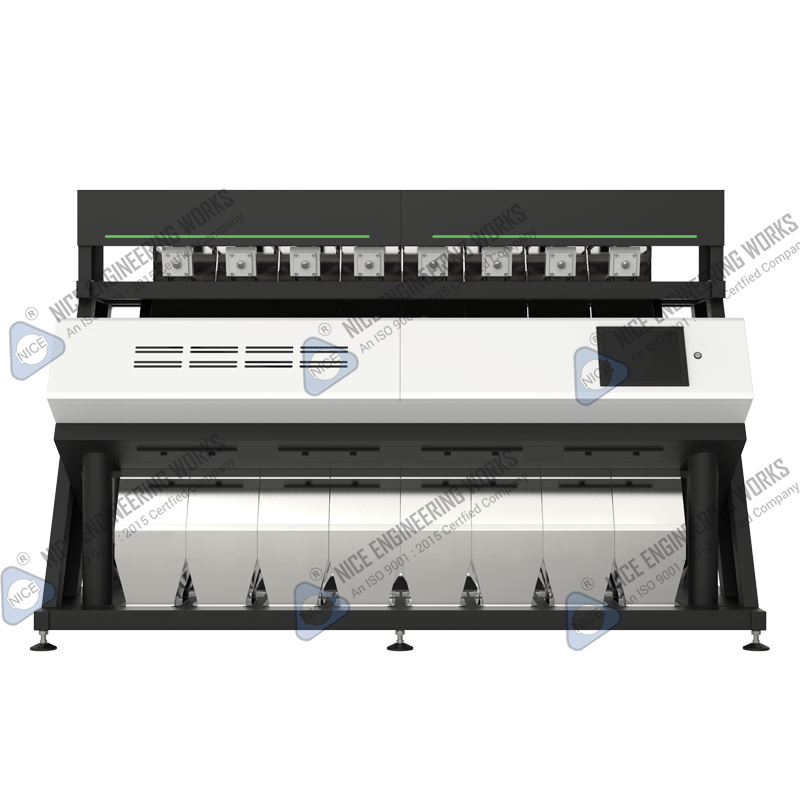
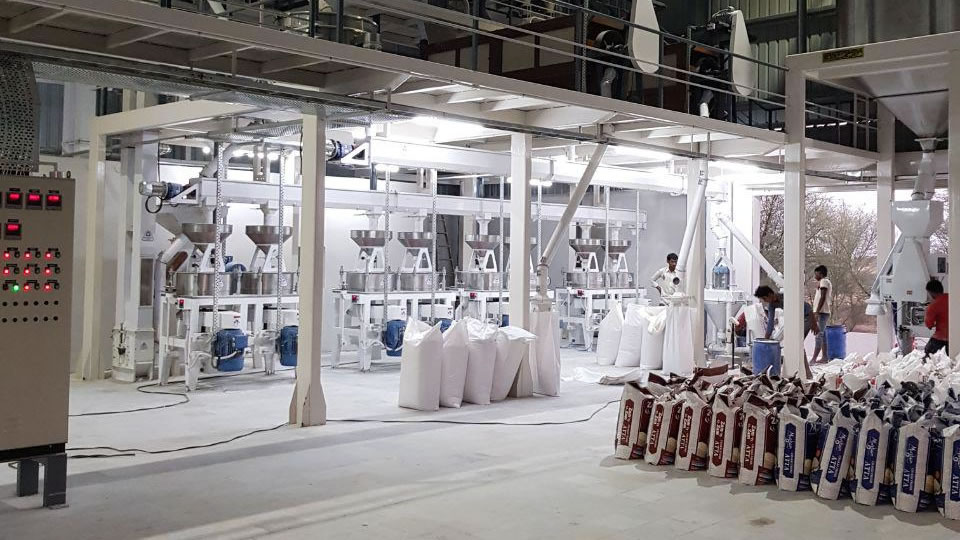
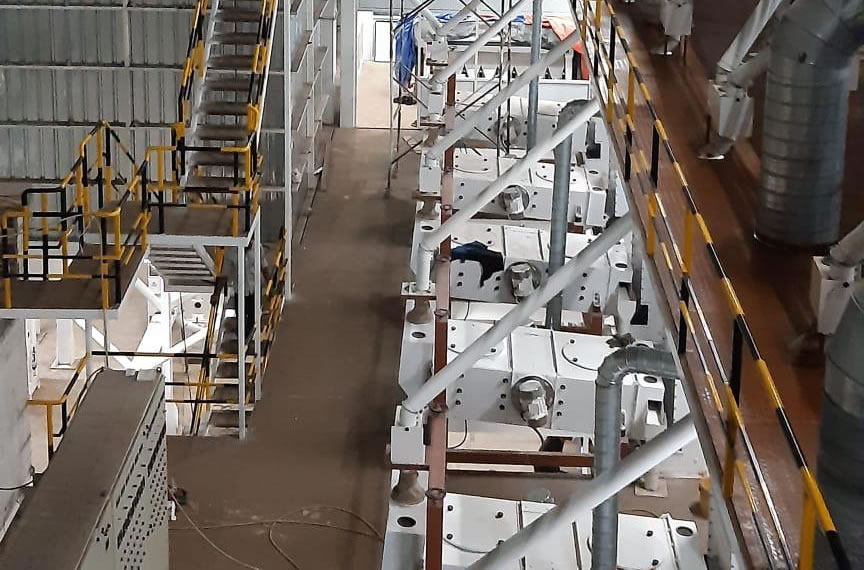
NICE Engineering Works designs and manufactures machinery and plant solutions for dal and pulse processing, besan production, atta and wheat flour milling, grain and seed cleaning, and spice processing. Depending on the application, a processing line may combine cleaning, destoning, grading, separation, colour sorting, milling and material handling.
2. What processing plant capacities are available?
NICE Engineering Works offers processing plant solutions in the 2–10 tonnes per hour (TPH) range. The appropriate configuration depends on the raw material, processing stages, incoming material quality, and required finished-product specifications.
| Capacity range | Equivalent hourly quantity |
|---|
| 2–10 TPH | 2,000–10,000 kg per hour |
We assess available configurations and achievable throughput for each application. When discussing capacity, specify whether your requirement refers to incoming raw material or finished-product output, as these are not necessarily the same.
3. Which machines are required for a dal or pulse processing plant?
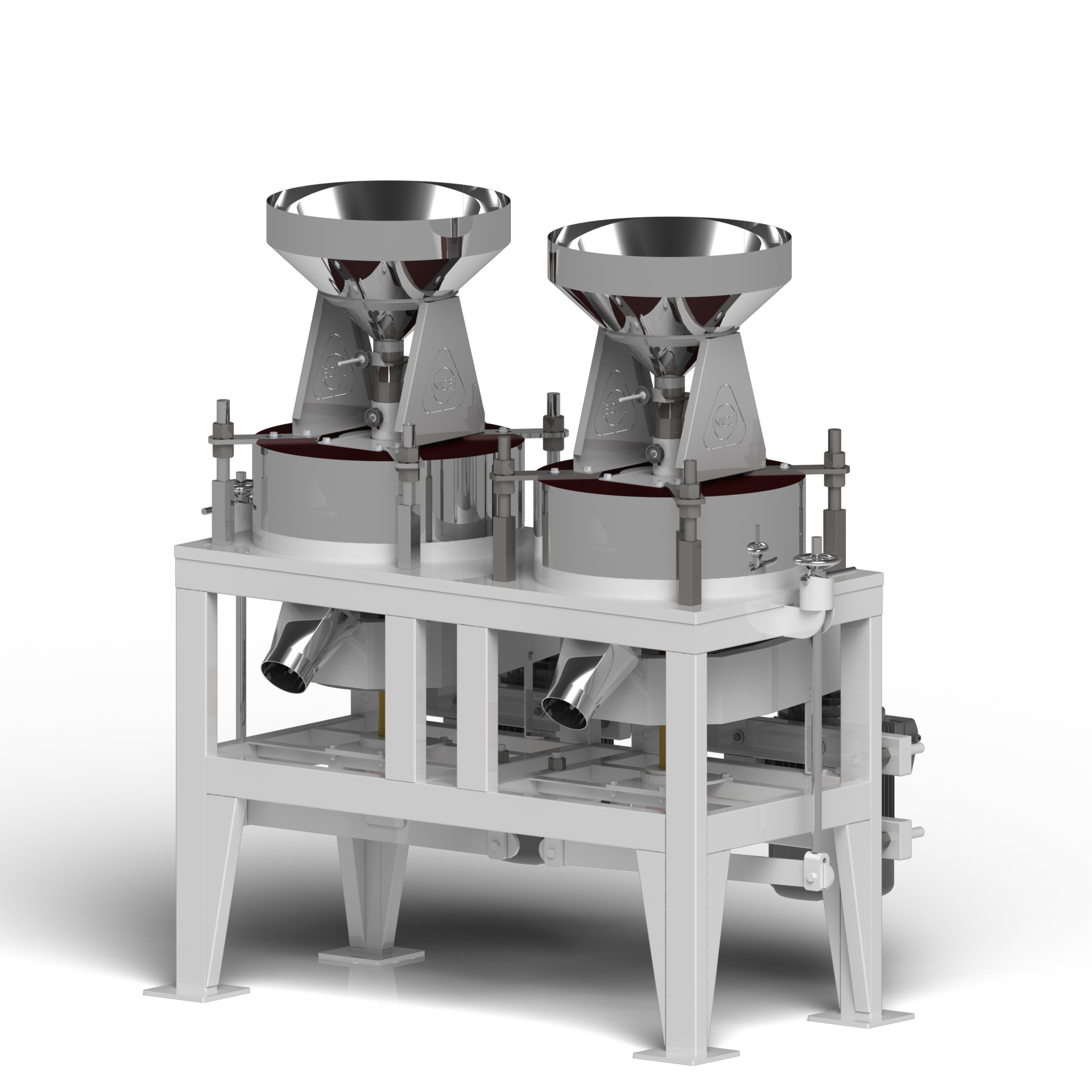
A dal or pulse processing plant may include pre-cleaners, destoners, graders, conditioning equipment, dehusking and splitting machinery, separation systems, and material-handling equipment. Gravity separation, polishing and colour sorting may be included where the process and finished-product requirements call for them. The final configuration depends on the pulse variety, incoming material condition, and required output.
4. What determines the cost of a dal mill or food-processing plant?
The investment depends on the application, required capacity, processing stages, machinery configuration, automation, and material-handling requirements. Overall project cost also depends on site preparation, utilities, installation and the agreed scope of supply. A meaningful comparison between proposals should consider both equipment specifications and what each quotation includes or excludes.
5. Can I purchase individual machines instead of a complete processing plant?
Yes. NICE Engineering Works supplies individual processing machines as well as integrated plant solutions. A standalone machine can address a specific processing requirement, while a complete plant coordinates multiple stages. For an existing line, machine selection should account for upstream and downstream capacity, material flow, and available space.
6. How is the right level of plant automation selected?
The appropriate level of automation depends on the process, required capacity, operating team, monitoring needs and investment priorities. Consider automation requirements alongside machinery configuration, material handling, and process controls. NICE Engineering Works assesses these factors when developing a plant solution rather than recommending the same automation level for every application.
7. Can one processing line handle different grains or pulses?
A shared line may be suitable for selected materials, but not every configuration can process every grain or pulse. Suitability depends on material characteristics, required process stages, machine adjustments, cleaning between products, and finished-product specifications. Share the materials you intend to process so compatibility and changeover requirements can be assessed before the configuration is finalised.
8. How much space is required for a processing plant?
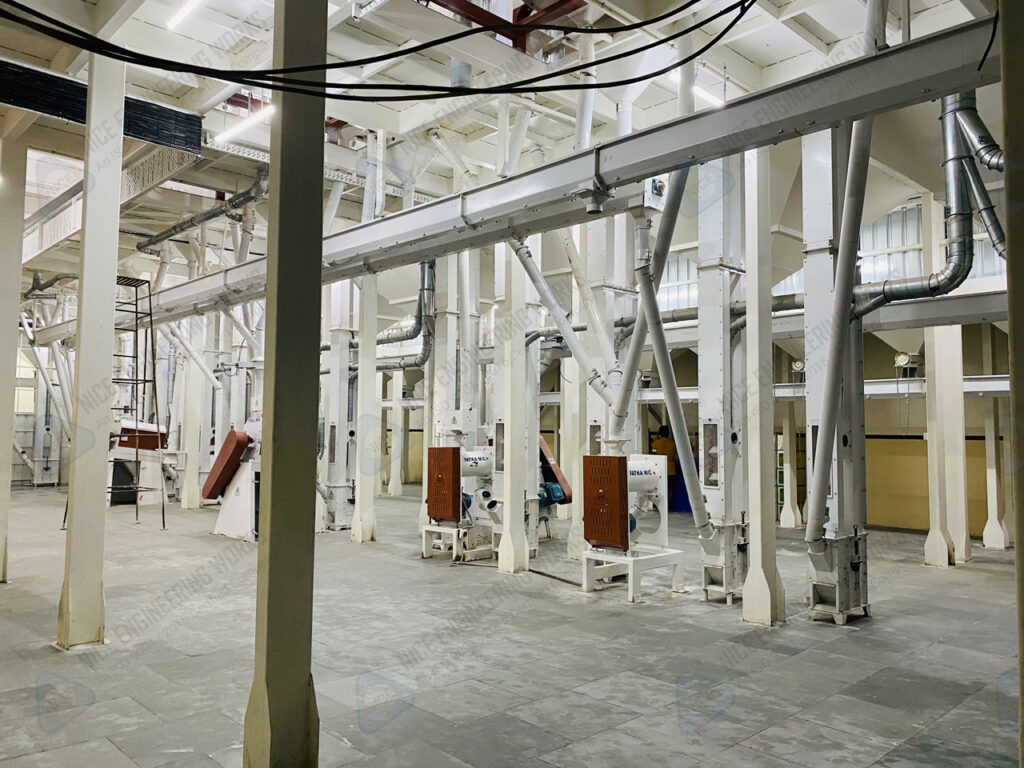
Space requirements depend on capacity, machinery arrangement, material-handling routes and the number of processing stages. Planning must also account for raw-material storage, finished-product storage, maintenance access and relevant utilities. Available floor area and building height should therefore be reviewed together before a plant layout is finalised.
 +91 7069012351